Advancing New Mexico
Welcome to the State of New Mexico. We strive to serve the public and deliver essential services in order to advance the quality of life for all New Mexicans.
Advancing a
Healthy New Mexico
We are working hard to promote health and wellness and assure safety net services for all people in New Mexico.
Advancing
Education Reform
Education is the first step for people to gain the knowledge, critical thinking, empowerment and skills they need to make New Mexico a better place.
Advancing a
Robust Economy
Doing business in New Mexico has never been easier. Whether you’re starting a business, growing a business, or relocating a business you will find all the resources you need.
Welcome to the State of New Mexico
Whether you are a citizen, visitor or have a business in our state, you can find the information you need in the state’s official online portal – NewMexico.Gov. We invite you to explore everything our state has to offer.
How can we help you?
Popular Serach Terms: MVD Online Services, Birth Certificates, Medical Cannabis
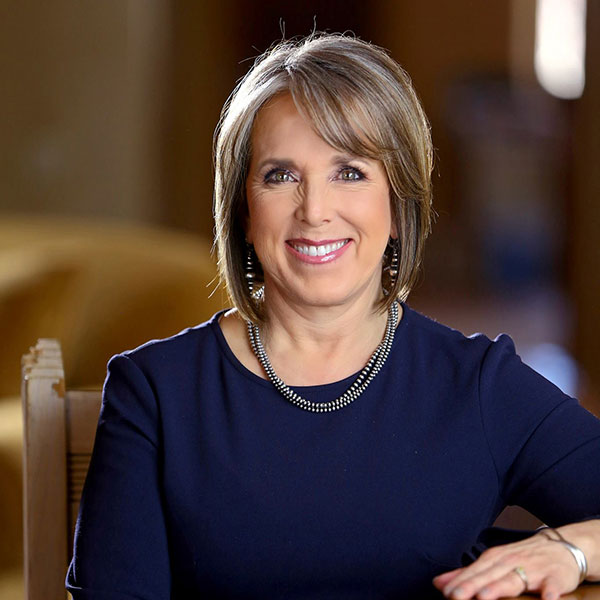
Welcome Message from Governor Michelle Lujan Grisham
Explore New Mexico State Services
Below you will find helpful information categorized by topic. Select the topic you are interested in and explore the resources contained within. If you can't find what you are looking for, we encourage you to use our search tool, online services, or department & agencies page.

Business in New Mexico
Business Planning, Initiation, and Licensing Information for Business Owners in the State of New Mexico.

Working in New Mexico
Looking for a Job, Start a New Career, Information for Workers, Unemployment Information

Education in New Mexico
Early Childhood Education, Public Education, Higher Education, Educators

Recreation in New Mexico
Camping, Fishing, Hunting, Outdoor Recreation

Living in New Mexico
Vital Records, MVD Online Services, Individual Tax Information, Events and Entertainment

Health in New Mexico
Apply for Benefits, Health Coverage, Food Assitance, Women, Infants, and Children (WIC)

Public Safety in New Mexico
Public Safety Services, Emergency Management, State Police, Attorney General's Office

Visiting New Mexico
Places to Visit, Things to Do, Events, Plan Your Trip to New Mexico
Featured News:
Sign Up For News Alerts

Additional Branches of Government
New Mexico Legislative Branch
The New Mexico Legislature is the legislative branch of the state government of New Mexico. It is a bicameral body made up of the New Mexico House of Representatives and the New Mexico Senate.
New Mexico Judiciary Branch
The Mission of the New Mexico Judiciary is to protect the rights and liberties of the people of New Mexico guaranteed by the Constitution and laws of the State of New Mexico and the United States; to resolve legal disputes fairly; and to ensure access to justice for all.
Elected Officials
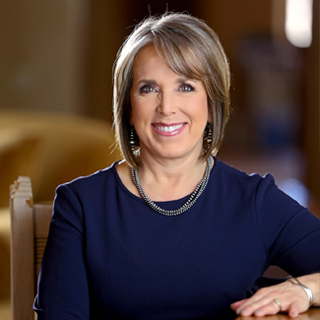
Michelle Lujan Grisham
Governor
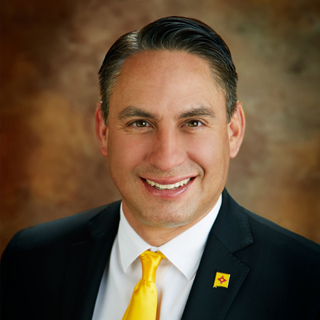
Howie Morales
Lieutenant Governor

Maggie Toulouse Oliver
Secretary of State

Joseph Maestas
State Auditor

Raúl Torrez
Attorney General

Stephanie Garcia Richard
Commissioner of Public Lands

Laura Montoya
State Treasurer